
|



|
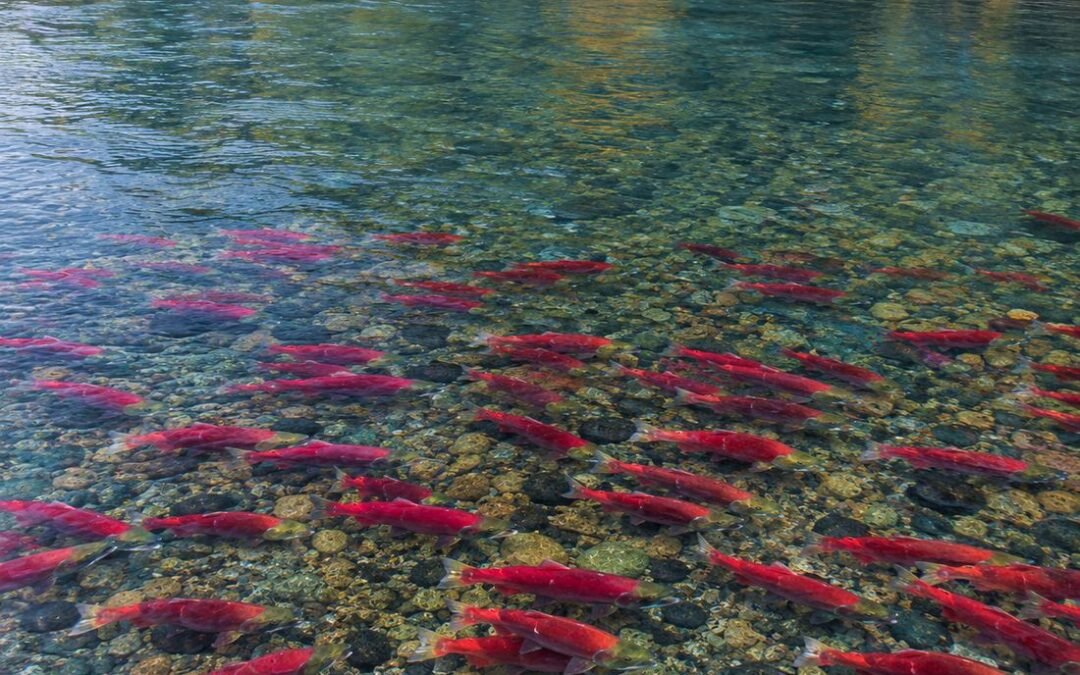
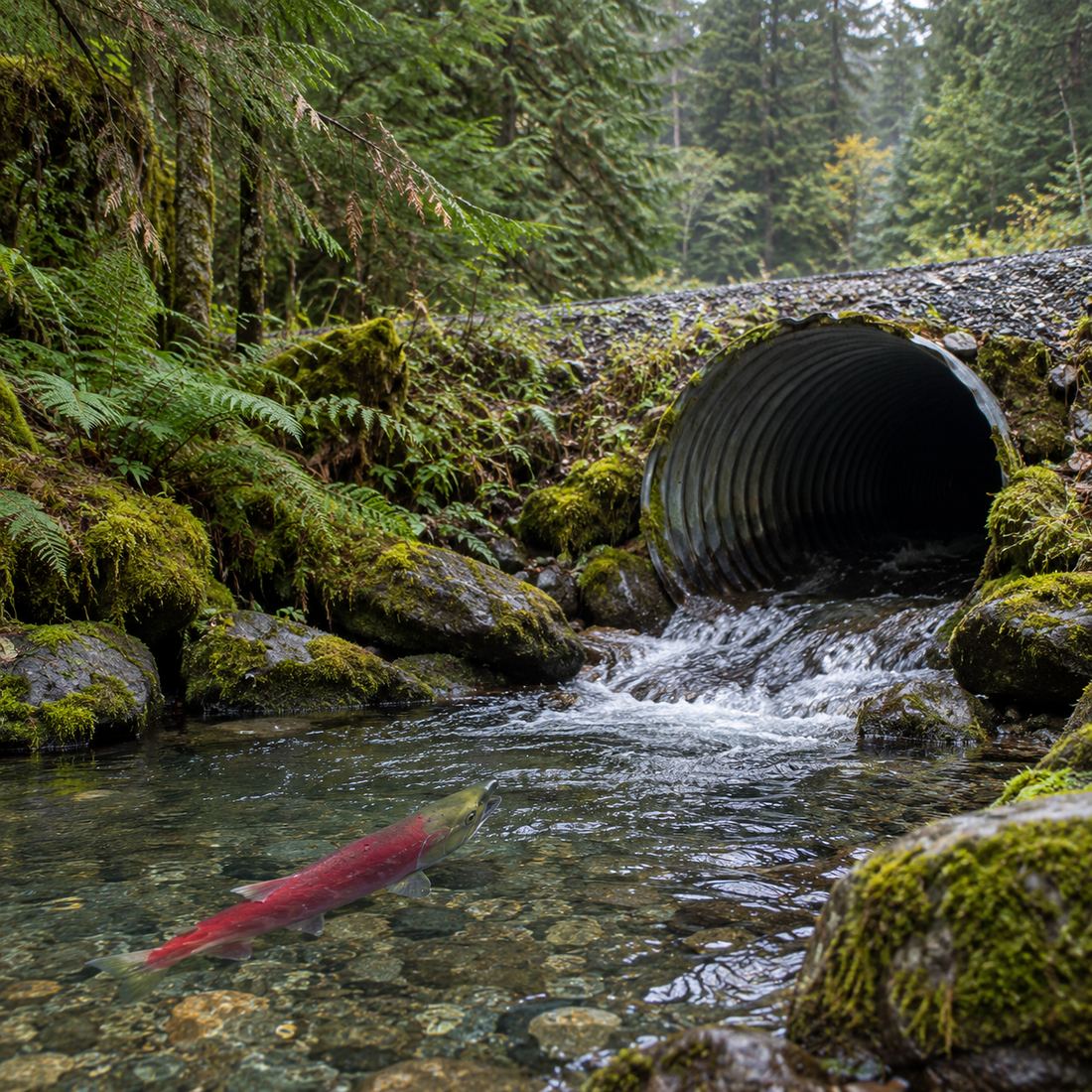
THE PLACE From the salmon rivers of the Skeena and Fraser basins to the trout streams of the Rocky Mountains, the watersheds of western Canada support fish that have sustained ecosystems, local economies, and Indigenous cultures since time immemorial. Today, road and rail crossings, dams, and other structures fragment many of these rivers, cutting fish off from the spawning and rearing habitat they need to survive. THE CHALLENGE Through the BC Fish Passage Restoration Initiative, the Canadian Wildlife Federation set out to reconnect priority watersheds for Pacific salmon, Steelhead, and at-risk trout. Information on barriers and habitat was spread across many organisations, with no shared view of which barriers mattered most. What CWF needed were long-term, actionable plans that brought First Nations, governments, industry, and local stewardship groups together around where the barriers are, which to fix first, and how, with measurable goals to track progress. |
 |
|
Facing a similar challenge? We can help. |
|
OUR APPROACH Between 2020 and 2022, GCS worked alongside CWF to facilitate Watershed Connectivity Remediation Plans for four pilot watersheds in British Columbia (the Bulkley, Horsefly, Lower Nicola, and Elk), then for the Berland-Wildhay watershed in Alberta with the Athabasca Watershed Council and Alberta Environment and Parks. In 2026, we supported a sixth plan, for the Takla watershed with Takla First Nation. Using the Conservation Standards across more than 25 professionally facilitated workshops, we guided each multi-partner planning team to blend Indigenous and local knowledge with GIS habitat and barrier modelling. Together, the teams selected focal species, assessed current connectivity, set quantitative goals, and developed strategies, theories of change, operational plans, and progress tracking. Building on the pilots, GCS co-authored Breaking Down Barriers, CWF’s practitioners’ guide to watershed connectivity remediation planning, turning the process into a framework that can be applied to any watershed in Canada. RESULTS & IMPACT Long-term connectivity plans for six watersheds across British Columbia and Alberta, for Pacific salmon, Steelhead, and at-risk trout, with horizons of up to 30 years. Quantitative connectivity goals, including reconnecting nearly 390 km of spawning and rearing habitat in the Bulkley River watershed by 2031. Prioritised barrier lists and costed operational plans to guide remediation and fundraising. Shared plans that bring First Nations, governments, industry, and local stewardship groups together around the same priorities. A national planning guide, co-authored by GCS, so the approach can be replicated in watersheds across Canada. |
| “ |  |
“GCS facilitated an excellent series of workshops held with local partners in multiple watersheds, including representatives from all sectors. GCS also helped us to develop a watershed connectivity planning framework based on the Conservation Standards and contributed to a guide to help organizations apply this framework in other watersheds. Josh was an integral part of our team, contributing to both the creative development and delivery of the Watershed Connectivity Remediation Planning process.” |
Nick LaPointe Canadian Wildlife Federation |