
|



|
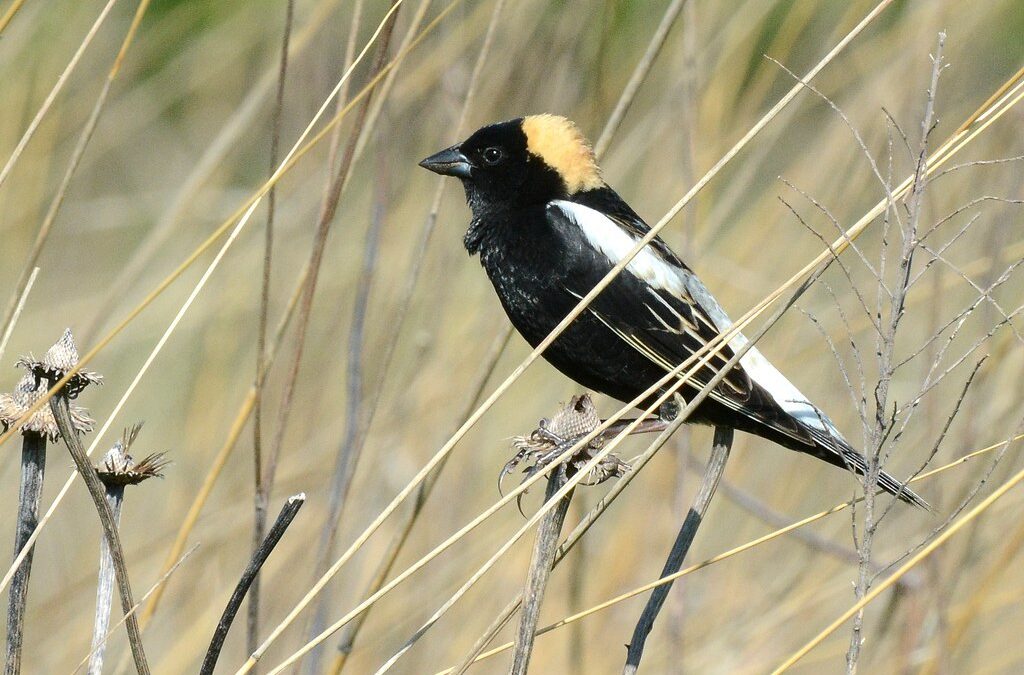
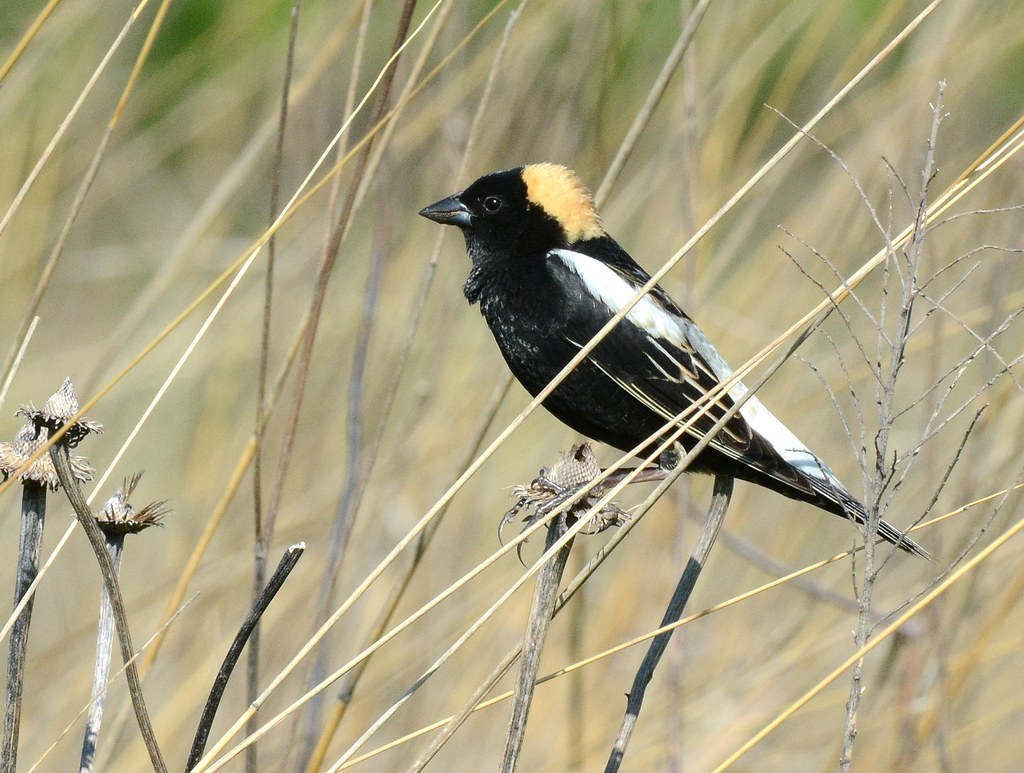
THE PLACE Farmland covers just 5.6% of the Wolastoq / Saint John River watershed in New Brunswick, yet it supports nearly 20 Species at Risk. Hayfields and pastures are nesting grounds for Bobolink and Eastern Meadowlark, old barns and chimneys shelter Barn Swallows, Chimney Swifts, and bats, and the streams, wetlands, and woodlands woven between fields are home to Wood Turtle, Monarch, and native bumble bees. Farm woodlots also hold some of the last patches of Appalachian Hardwood Forest, now reduced to about 2% of its original extent. THE CHALLENGE The future of these species depends on how farms are managed. Early hay cuts destroy grassland bird nests, old farm buildings that shelter swallows and swifts are being demolished, free-roaming cats and other subsidised predators take a heavy toll, and light pollution, nutrient runoff, and livestock access to wetlands and streams add to the pressure. Solutions depended on producers, farm organisations, conservation groups, Wolastoqey partners, and federal and provincial agencies working together, yet there was no shared plan to guide them, and few tools to measure whether farmland was getting better or worse for wildlife. |
 |
|
Facing a similar challenge? We can help. |
|
OUR APPROACH Under Environment and Climate Change Canada’s Species at Risk Partnerships on Agricultural Lands (SARPAL) programme, Nature NB engaged GCS to design and facilitate a collaborative conservation plan for the watershed’s farmland. Between 2020 and 2022, we guided a partnership of 14 organisations through more than 30 workshops using the Conservation Standards, bringing together the Agricultural Alliance of New Brunswick, the Canadian Forage and Grassland Association, the Wolastoqey Nation in New Brunswick, the Nature Trust of New Brunswick, Birds Canada, WWF-Canada, the University of New Brunswick, and federal and provincial agencies. Together, the team selected six focal values (farm infrastructure, grassland, riparian zones, wetlands, woodland, and other farmland), each supporting a suite of nested Species at Risk, and rated their health with measurable indicators, from the size of the Bobolink population to the share of the Active River Area in natural cover. The team then rated 24 pressures, mapped the drivers behind them, and turned the most promising strategies into theories of change, goals, objectives, and monitoring and operational plans. Where the plan exposed knowledge gaps, GCS filled them with geospatial analysis, assessing the condition of riparian areas across the watershed and classifying forest communities on farms to pinpoint Appalachian Hardwood Forest for conservation and restoration. In 2025, with the plan in implementation as the Wolastoq Agroecosystems initiative, Nature NB brought GCS back to run an anonymous partner survey and facilitate a Pause & Reflect session, helping the team take stock of what was working, what was not, and where to focus next. RESULTS & IMPACT A collaborative conservation plan for Species at Risk on farmland in the Wolastoq / Saint John River watershed, with 12 goals to 2030 and 2050, including stabilising the watershed’s population of around 68,000 Bobolinks. Six focal values and their nested Species at Risk assessed against measurable indicators, and 24 pressures rated across the watershed. Eight priority strategies and 24 objectives, from delayed haying on priority grasslands to spay and neuter programmes for free-roaming farm cats. Species at Risk best management practices now built into New Brunswick’s Environmental Farm Plans and the Resilient Agricultural Landscape Program, with delayed haying under way at multiple sites and riparian buffers protected. A 2025 Pause & Reflect that gave partners agreed next steps, including a working group to focus strategies and monitoring, and deeper engagement with Wolastoqey partners. |
| “ |  |
“Nature NB has been working with Global Conservation Solutions for over two years on a large, complex strategic planning program. We continue to be impressed by GCS’s collaborative, motivating, and inclusive approach to conservation coaching that allowed our team to tackle complex challenges, while still moving forward to create measurable, positive conservation strategies. I would recommend GCS to any conservation group looking for assistance with planning!” |
Adam Cheeseman Nature NB |