
|



|
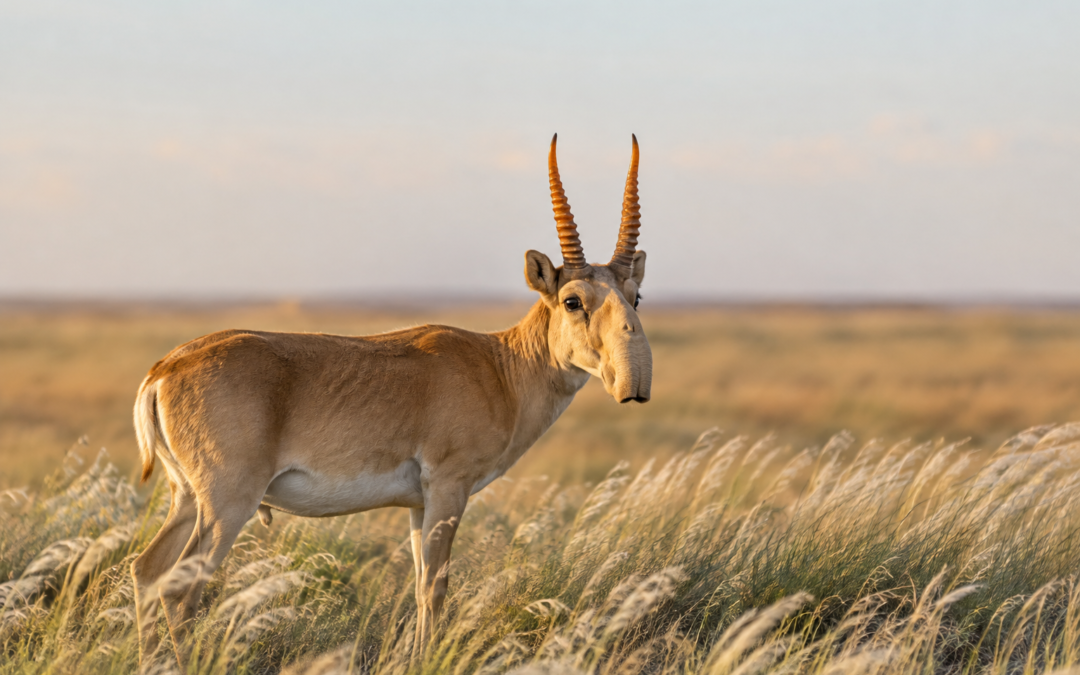
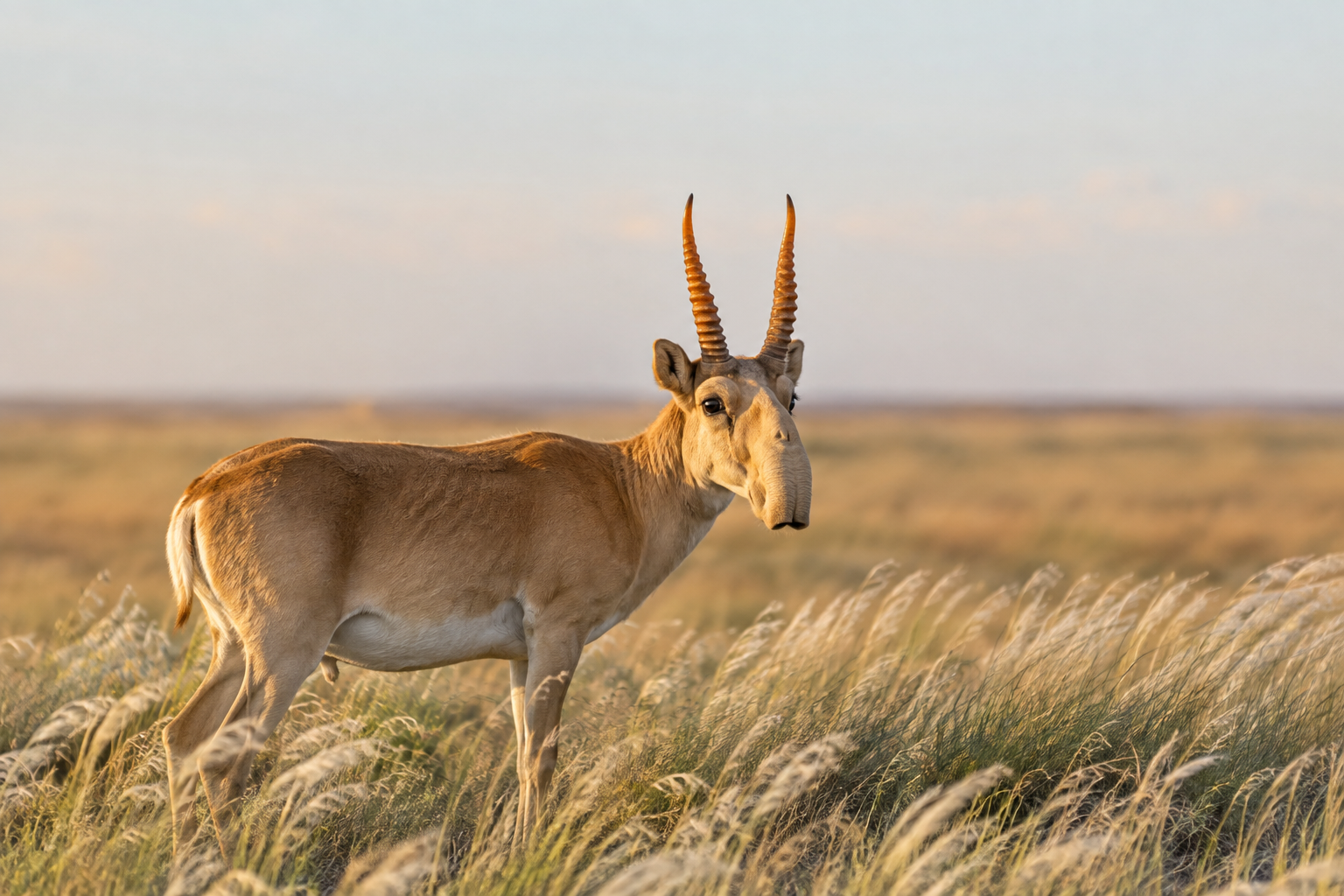
THE PLACE Kazakhstan holds the largest tract of intact temperate rangeland left on the planet, some 180 to 186 million hectares of pasture covering close to two-thirds of the country. These rangelands feed a livestock sector that provides 39% of gross agricultural output, sustain rural livelihoods, and are home to the Saiga Antelope, whose recovery to more than 4.6 million animals is one of the fastest of any large herbivore in the world. THE CHALLENGE Kazakhstan has reported more than 26 million hectares of pasture as degraded, while its new Livestock Development Plan sets ambitious growth targets that all depend on healthy rangelands. Responsibility for that land is split between ministries that rarely plan together, and the SNAPP project’s strong evidence base was spread across many technical reports written for specialists. What was missing was a single, persuasive case that the Ministry of Agriculture would read and act on. |
 |
|
Facing a similar challenge? We can help. |
|
OUR APPROACH Commissioned by the Royal Society for the Protection of Birds (RSPB) and the Association for the Conservation of Biodiversity in Kazakhstan (ACBK), GCS led the development of the document end to end, drafting the full text, conducting all of the expert interviews, and facilitating the Working Group process that shaped it. From the outset, we emphasised the importance of planning how the document would be used, not just what it would say. Together we defined the key target audiences, starting with the Ministry of Agriculture, mapped the touch points where the evidence could reach decision-makers, and planned how it would be disseminated and put to work once published. We then synthesised the project’s scenario modelling, land-cover mapping and species research with the global grassland literature, interviewed around ten specialists from the Working Group, ACBK, FAO Kazakhstan and Qazaq Carbon, and stress-tested the key messages with the Working Group. Every message was framed in the Ministry of Agriculture’s own terms (food security, pasture productivity and rural livelihoods) and linked to Kazakhstan’s existing commitments on land degradation, biodiversity and climate. RESULTS & IMPACT A single, persuasive case for resilient rangelands, written for decision-makers and framed around the Ministry of Agriculture’s own priorities Extracts used to support ACBK’s national meeting with FAO Kazakhstan and the Ministry of Agriculture, and engagement at UNCCD COP17, in summer 2026 Now being used as a tool for cross-ministerial dialogue, with Russian versions in production for government readers GCS re-engaged by the SNAPP Working Group to support a companion document for Mongolia |