
|



|
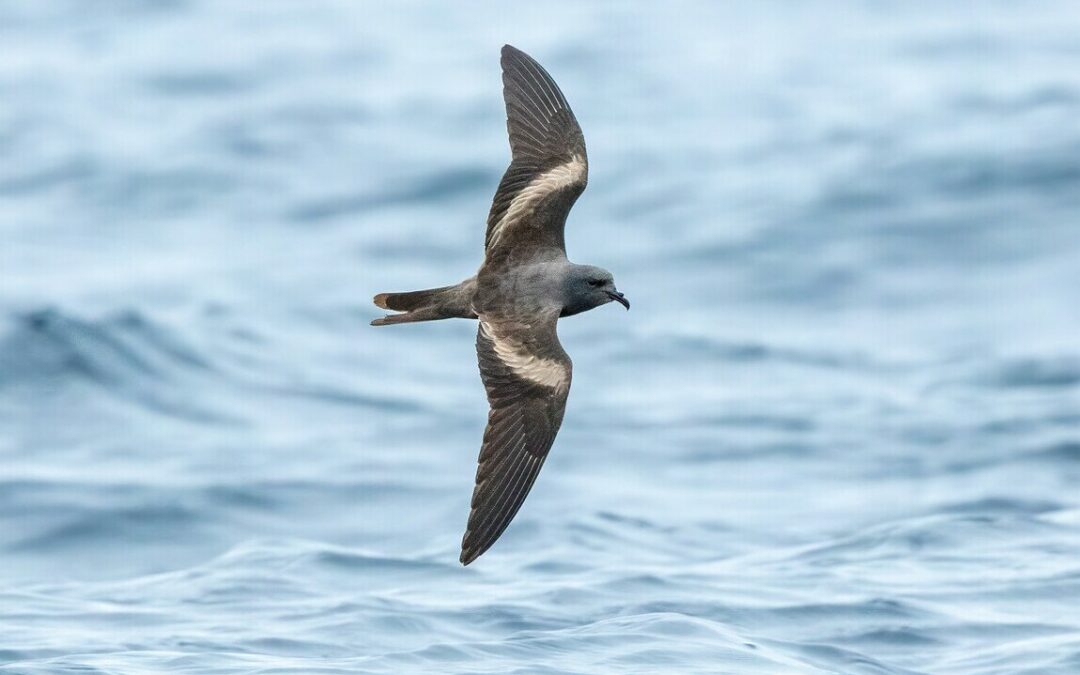
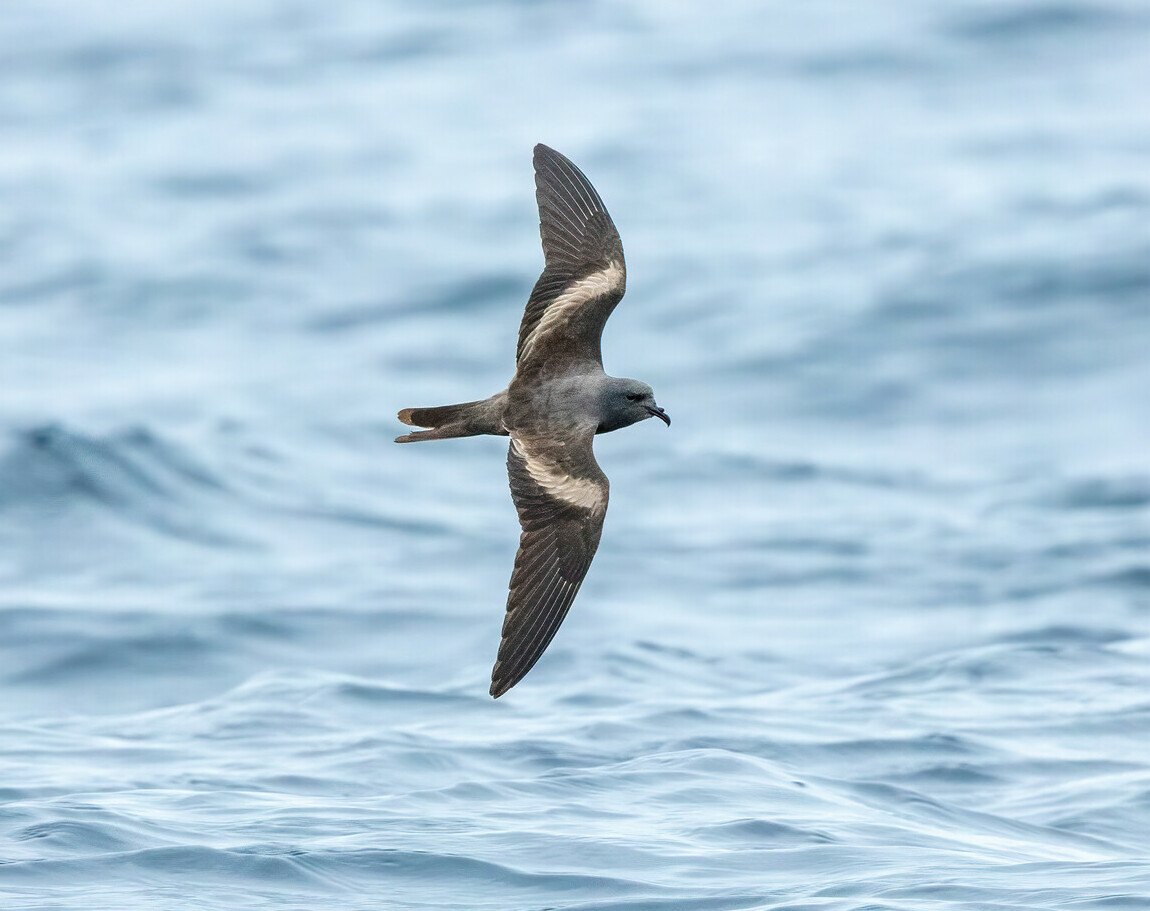
THE PLACE Most of the Atlantic’s Leach’s Storm-Petrels breed in Eastern North America, nesting in burrows on offshore islands in Newfoundland and Labrador, Nova Scotia, New Brunswick, and Maine, where some colonies have held more than 10,000 breeding pairs. Away from the colonies, these small seabirds range across the open Atlantic, from the northeast Atlantic to wintering waters off Africa and South America, so protecting them means looking after both the islands where they breed and the ocean they depend on. THE CHALLENGE In 2020, the Committee on the Status of Endangered Wildlife in Canada recommended listing Leach’s Storm-Petrel as Threatened, yet there was no shared plan to reverse its decline. The pressures ranged from gulls and mammals at the colonies to artificial light, pollution, and a changing climate at sea, and knowledge of them was spread across researchers, agencies, and NGOs in three countries. What was missing was a single, evidence-based plan that experts could agree on, with clear priorities and a way to track whether colonies were recovering. |
 |
|
Facing a similar challenge? We can help. |
|
OUR APPROACH With funding from the Government of Canada, GCS designed and facilitated the planning process for Birds Canada’s Leach’s Storm-Petrel Conservation Plan for Eastern North America, bringing together 33 seabird scientists and conservation practitioners from 10 organisations, including the Canadian Wildlife Service, the US Fish and Wildlife Service, Atlantic Canadian universities, and research partners in France and Iceland. Across 16 facilitated online workshops between 2021 and 2023, we guided the team through each step of the Conservation Standards: selecting 13 priority breeding colonies as focal values, rating their health using breeding success and burrow density, assessing 13 pressures at every colony, and mapping the drivers behind the most important ones. From there, the team identified and assessed strategies and began building theories of change, objectives, and monitoring and operational plans for its priorities. A written report after every session, and a running list of open questions, meant each decision built on the last and no expert input was lost along the way. RESULTS & IMPACT The first collaborative conservation plan for Leach’s Storm-Petrel in Eastern North America, covering 2021 to 2038. 13 priority breeding colonies identified, with the health of 9 already assessed against measurable indicators. Climate change confirmed as the top pressure across all colonies, followed by mammalian herbivores and avian predators. 26 strategies identified and 18 assessed, with 6 taken forward as priorities, from reducing light pollution from offshore energy and fishing to scaling up rescue programs for stranded birds. A living plan with a monitoring framework to track colony recovery, and a clear path to expand it across the wider Atlantic. |
| “ |  |
“Birds Canada engaged GCS to facilitate the development of the Leach’s Storm-Petrel Conservation Plan for Eastern North America. Through a series of virtual workshops, the facilitator engaged the project team in each step of the Conservation Standards taking time to support team members’ understanding of the process. Every conservation project brings unique and complex challenges. GCS draws on a sizable toolbox of conservation project planning, ecological knowledge, technical and facilitation skills to support teams and advance projects. They confidently manage meetings with large groups of experts bringing together their diverse ideas and knowledge. We particularly appreciate their ability to address complex issues that arise. The GCS facilitators are skilled at distilling key issues and helping participants overcome barriers and identify a path forward.” |
Sue Abbott Birds Canada |