
|



|
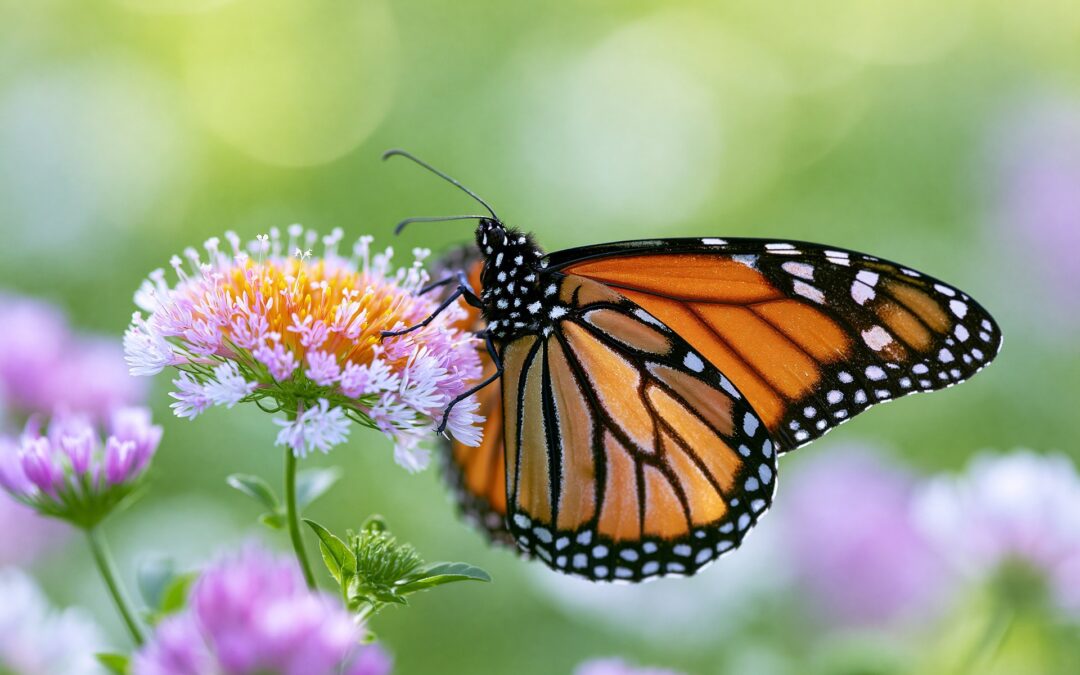
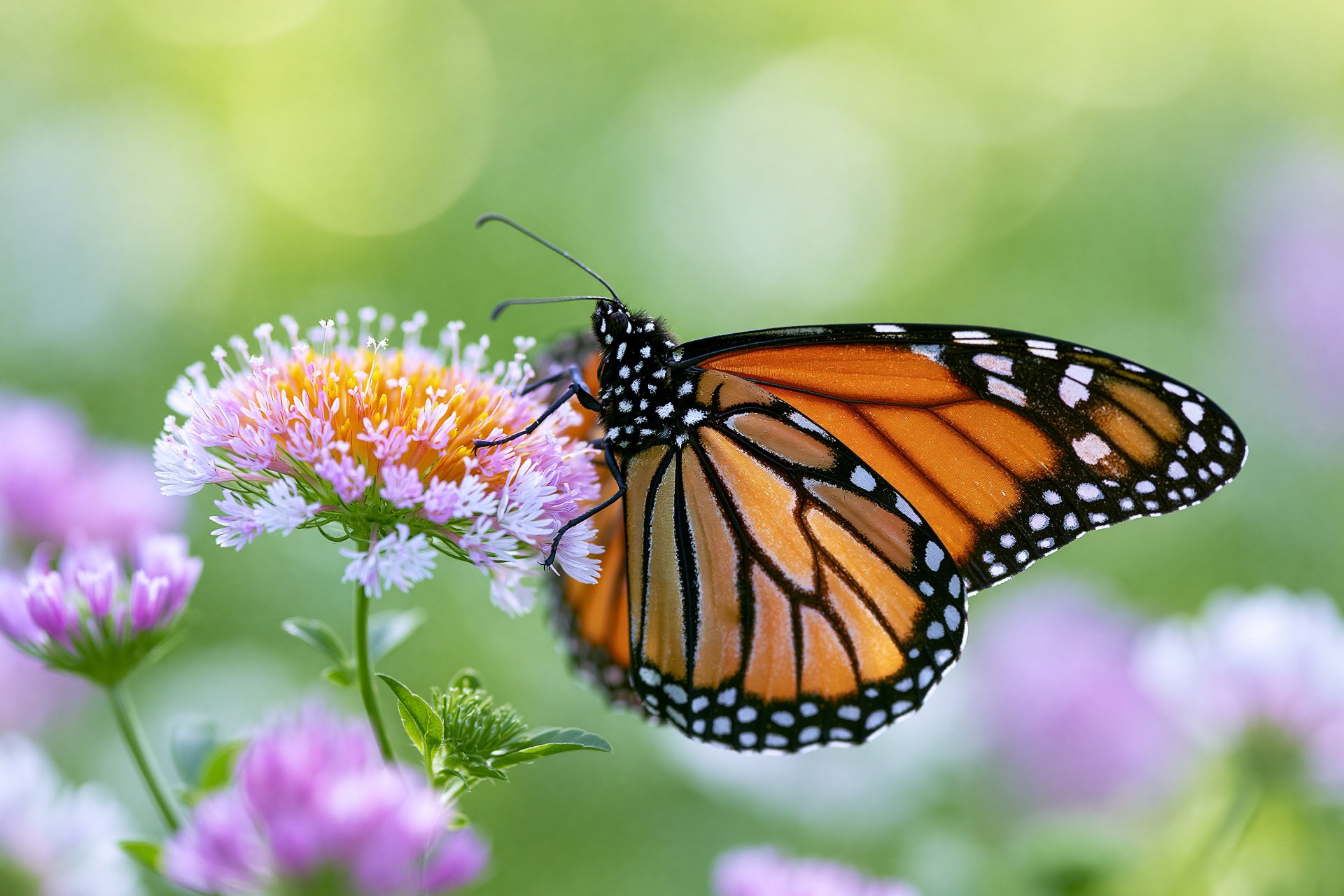
THE PLACE Chalk River Laboratories is a 3,700-hectare nuclear research site in the Ottawa River valley of eastern Ontario, set in a mostly forested landscape of wetlands, lakes, and streams. Its road verges, utility corridors, and open operational areas also grow milkweed, the only plant Monarch caterpillars can eat, making the site a breeding stop for an eastern Monarch population that has declined sharply over the past two decades and was listed as Endangered under the Species at Risk Act in 2023. THE CHALLENGE Chalk River has to keep vegetation low for safety, security, and access, but mowing during the breeding season can destroy milkweed along with any Monarch eggs and caterpillars on it, while open ground left unmanaged was being lost to brush and alders. Under the old approach, crews stopped to inspect milkweed wherever they found it, slowing routine work without removing the risk. CNL needed a clear, defensible plan that would meet its Species at Risk Act and ISO 14001 commitments without getting in the way of a busy nuclear site. |
 |
|
Facing a similar challenge? We can help. |
|
OUR APPROACH GCS developed the Chalk River Laboratories Monarch Butterfly Management Plan using the Conservation Standards, combining GIS analysis and field survey data with the knowledge of the people who manage the site every day. We mapped every open, disturbance-maintained area where milkweed can grow, and participatory mapping with CNL staff refined the habitat baseline from an early estimate of 220 hectares to a far more accurate 142 hectares, holding about 25,900 milkweed stems. Through facilitated workshops with CNL’s environmental, operations, and grounds teams, we then built a vision, a measurable goal, strategies with theories of change, and monitoring and operational plans. The plan’s central idea is simple: keep operational areas mown low so Monarchs aren’t drawn to lay eggs where plants will be cut, and protect and encourage milkweed in dedicated restoration areas. A companion Monarch Habitat Restoration Calculator lets CNL test targets, planting densities, and monitoring designs for itself. RESULTS & IMPACT A site-wide management plan that supports Species at Risk Act compliance through an avoid, minimise, restore, and offset approach. A mapped baseline of 142 hectares of milkweed habitat, with a measurable goal of no net loss by 2030. A commitment to create 4.3 hectares of dedicated milkweed habitat, with more than 14 hectares of candidate restoration sites identified. New vegetation management practices that reduce risk to Monarchs and remove the need for crews to stop work to inspect milkweed. A three-tier monitoring and adaptive management framework, aligned with national and trinational Monarch monitoring programs. |