
|

|
THE PLACE The Western Indian Ocean stretches from Kenya to South Africa and out across Madagascar, Comoros, Mauritius, Réunion, and Seychelles. Its coral reefs, mangroves, and seagrass meadows are rich in marine life and support the food security and livelihoods of coastal communities throughout the region. The region’s 143 Marine Protected Areas (MPAs) and more than 300 community-managed areas are the front line for keeping these ecosystems healthy. THE CHALLENGE Only around 40% of the region’s MPAs are considered to be effectively managed. Managers face many of the same problems, from tight budgets, staff shortages, and slow approval of management plans, to plans developed without managers and communities at the table and a lack of legal recognition for locally managed marine areas, while pressures from pollution, coastal development, and destructive fishing continue to grow. Yet MPA professionals often worked in silos, with limited access to each other’s knowledge and tools. What was missing was a space for the region’s practitioners to diagnose these challenges together and agree on where to focus first. |
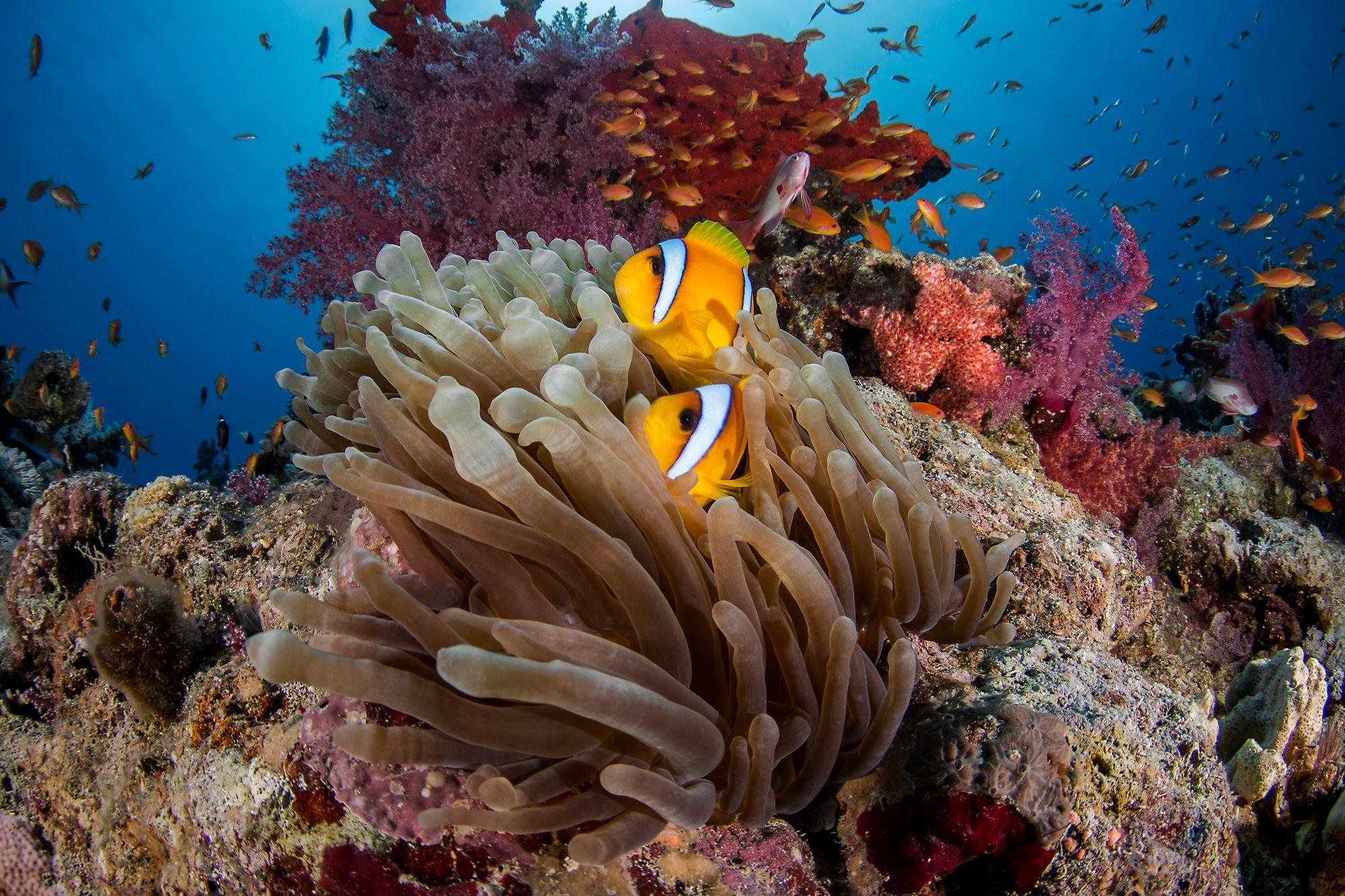 Photo: Renata Romeo |
|
Facing a similar challenge? We can help. |
|
OUR APPROACH Minderoo Foundation engaged GCS to design and facilitate sessions at the first regional learning exchange of the Western Indian Ocean MPA Professional Network (WIOMPAN), organised with the Western Indian Ocean Marine Science Association (WIOMSA) and hosted by Tanzania’s Marine Parks and Reserves Unit in Dar es Salaam in November 2023. Over four days, around 80 practitioners from nine countries took part, from national park authorities such as Kenya Wildlife Service, Madagascar National Parks, and the Seychelles Parks and Gardens Authority, to community conservation groups, NGOs, and regional bodies including the Nairobi Convention. We opened the exchange by focusing on what was getting in the way of effective management. Building on five management effectiveness domains drawn from the 2021 Western Indian Ocean MPA Outlook (equipment and infrastructure, capacity and training, operations, stakeholders and partners, and planning and higher-level processes), we grouped participants by role, from site managers and community conservation practitioners to national directors and regional partners. Using Liberating Structures such as 1-2-4-All and 25/10 Crowd Sourcing, along with dot voting, every voice in the room helped answer three questions: what is not working, why, and what matters most to fix? The days that followed built on those priorities, linking them to adaptive management and theories of change, the IUCN Green List Standard, and the network’s own plans, so participants left with practical tools as well as a shared agenda for the region. RESULTS & IMPACT The first regional learning exchange for WIOMPAN, bringing together around 80 MPA professionals from nine countries with an average of 15 years’ experience. Priority management challenges identified by site managers, community practitioners, national directors, and regional partners, each paired with proposed solutions. A white paper with recommendations for implementing the Kunming-Montreal Global Biodiversity Framework in the Western Indian Ocean, prepared for the Nairobi Convention’s Science to Policy meeting in Maputo in December 2023. An 11-point way forward for the network, including developing a regional roadmap for management effectiveness, supporting sites working towards the IUCN Green List, and building a mentorship and training-of-trainers programme. Updated Terms of Reference for WIOMPAN and a regional capacity needs survey to guide future training. |